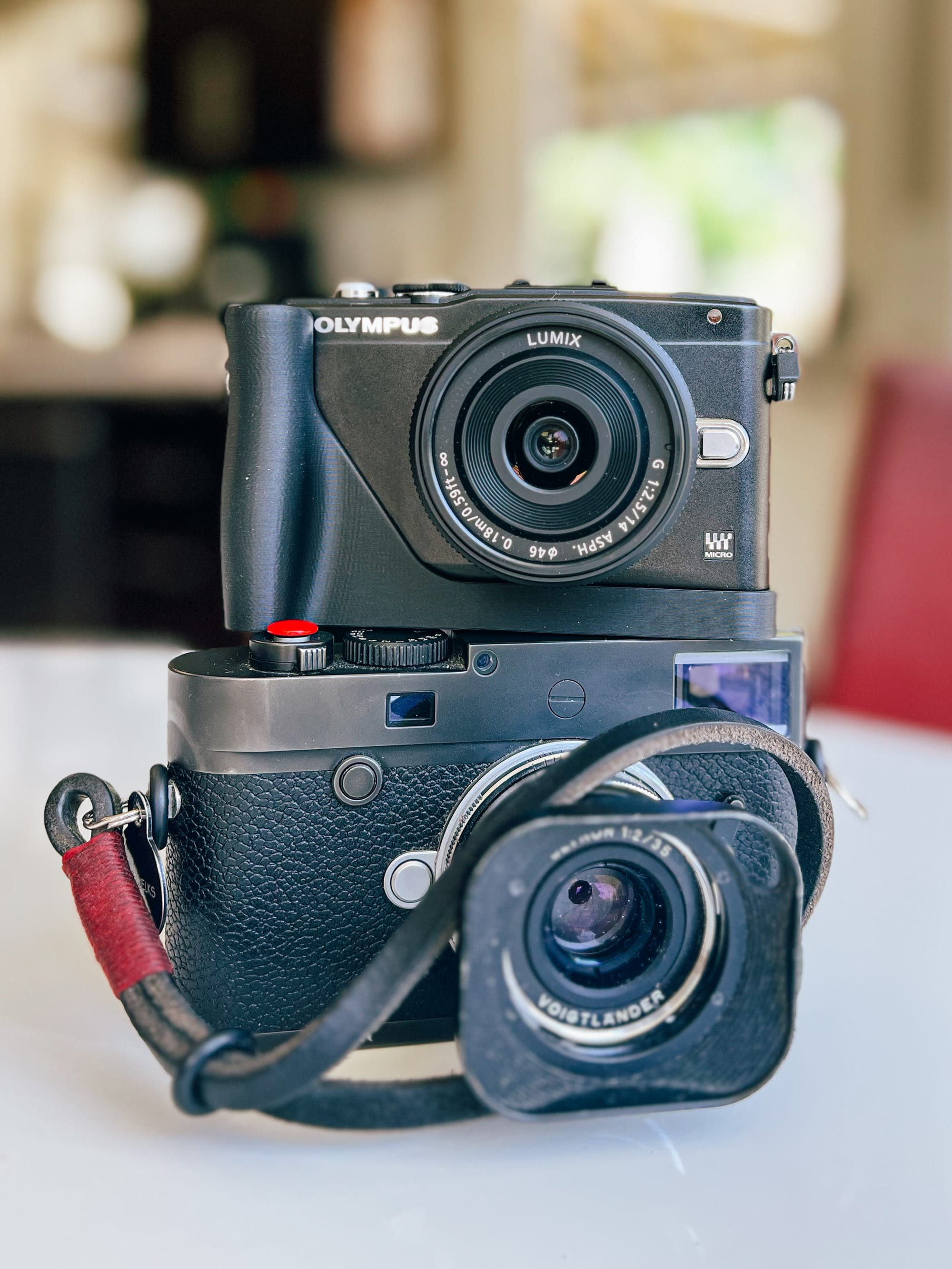


I recently re-acquired an Olympus E-PL5 camera, and have been putting it through some shooting scenarios to see its strengths and weaknesses. What has surprised me is that it definitely punches well above its weight, and a game-changing feature in Lightroom Classic has breathed new life into some of the image quality weaknesses via the Denoise feature now included in the Detail Develop pane.
One of the criticisms of Micro Four Thirds, is the noise that is there (even at base ISO of 200). This led me down the path of finding a grail camera that is small, yet packs image quality, which eventually let me to the Leica system with its small footprint (for a full-frame camera), and also small set of primes to go along with it.


Aperture: f/2.5 | Exposure: 0.00625s (1/160) | ISO: 1600
Another takeaway is that with IBIS on the PEN, I'm able to hand hold these wider shots down to 1/30th -> 1/15 if I keep fairly steady. And this is just with the 3-axis on the smaller bodies.


Aperture: f/2.5 | Exposure: 0.04s (1/25) | ISO: 320


Aperture: f/2.5 | Exposure: 0.01s (1/100) | ISO: 1600
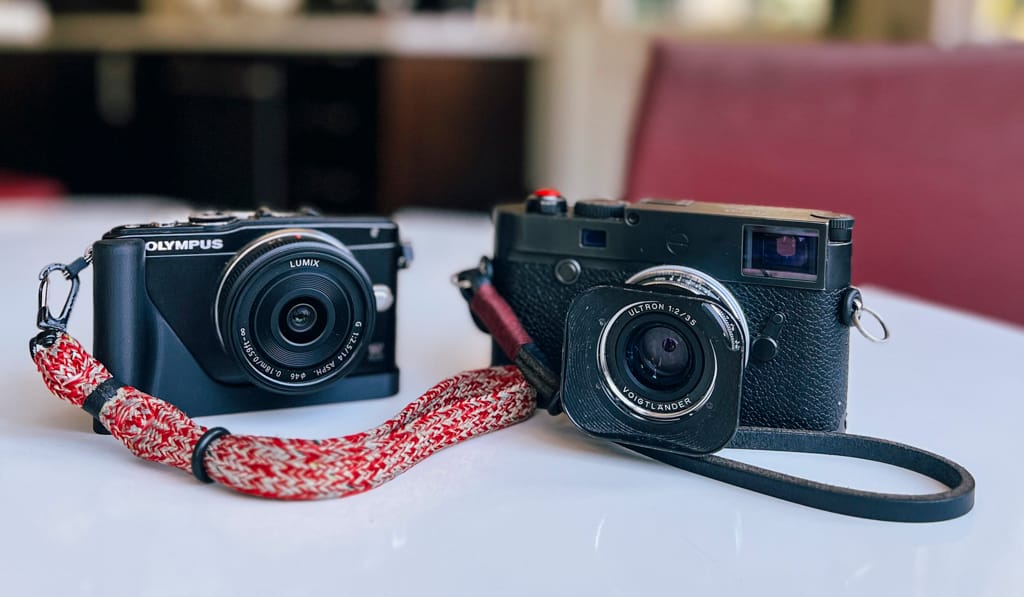
Where it gets more interesting is when we compare against a full-frame sensor. I took care to not push the M43 sensor past ISO 1600.


Aperture: f/2.5 | Exposure: 0.03333s (1/30) | ISO: 500
VS
Leica M10-P w/ Voigtländer 35mm Ultron
Aperture: f/2.0 | Exposure: 0.04s (1/25) | ISO: 400


Aperture: f/2.5 | Exposure: 0.06667s (1/15) | ISO: 1600
VS
Leica M10-P w/ Voigtländer 35mm Ultron
Aperture: f/2.0 | Exposure: Exposure: 0.03333s (1/30) | ISO: 800
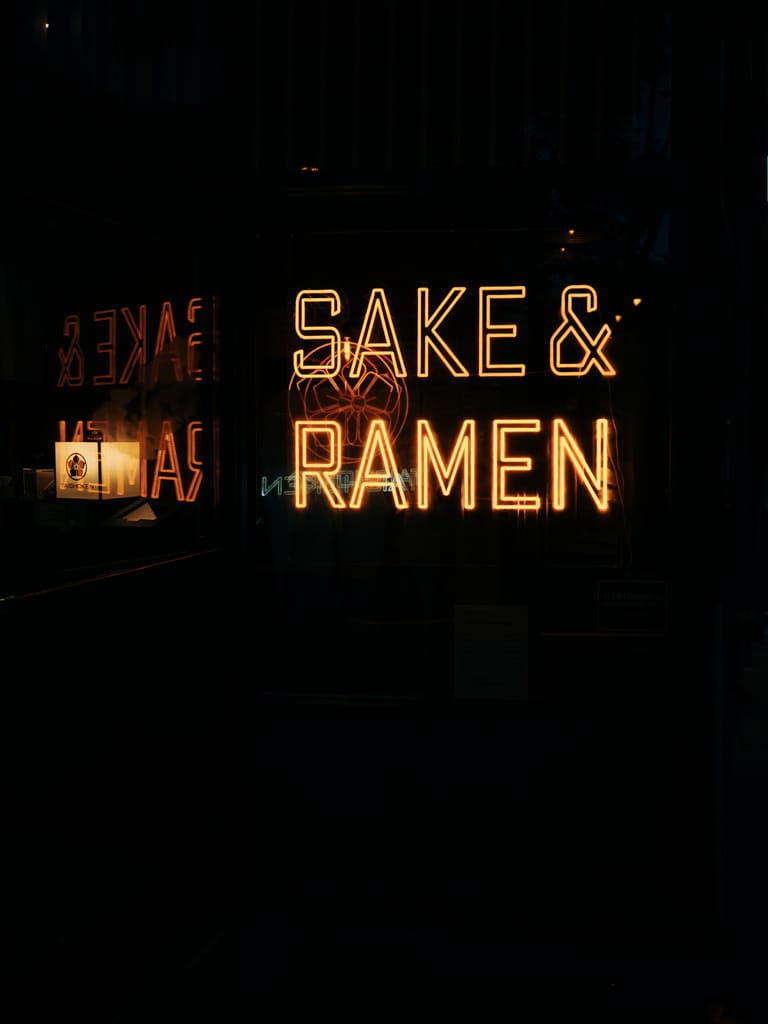
Last up for the night time shots is an illuminated sign. You can see that the shadow detail is superior in the full-frame shot, but it's not that far off with the four-third's sensor if you're just quickly scanning. Interesting is the fact that I was able to get a clean image at 1/10th at the base ISO of 200. I had to up to ISO 800 to stay safe at 1/30 on the Leica.


Aperture: f/2.5 | Exposure: 0.1s (1/10) | ISO: 200
VS
Leica M10-P w/ Voigtländer 35mm Ultron
Aperture: f/2.0 | Exposure: Exposure: 0.03333s (1/30) | ISO: 800
The bane of Micro Four Thirds shooters has been the noise at base ISO that shows up in homogenous zones like, say, the SKY!
I can say that tonality and roll-off is what really demonstrates the apparent difference between a full-frame sensor vs a crop. Denoise again has really helped lessen the gap in this regard, but of course there is no free lunch as some detail will be lost.


Aperture: f/5.0 | Exposure: 0.0004s (1/2500) | ISO: 320


So where does that leave us? The EPL-5 has genuinely surprised me on this revisit, and with Lightroom's Denoise doing some heavy lifting in post, the gap to full-frame is narrower than I expected. That said, you can't completely outrun the physics. Skies, shadow detail, and that smooth tonal rolloff are areas where the full-frame sensor still wins, and if you need to push past ISO 1600, the M43 sensor will remind you of its limits pretty quickly.
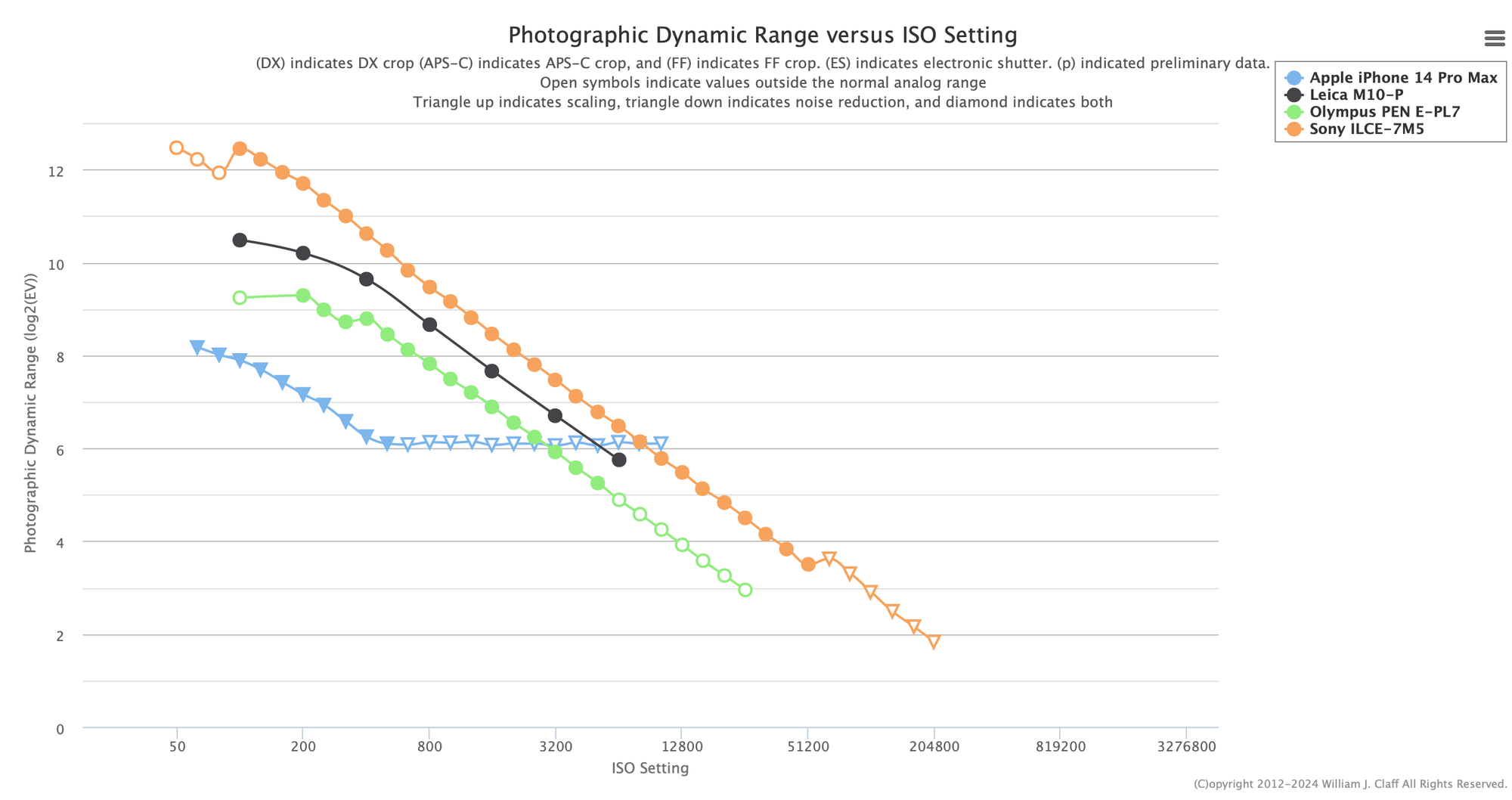
Worth noting too is the dynamic range delta, full-frame gives you a lot more latitude when it comes to exposure, meaning you can be a little looser with your histogram and still recover highlights or lift shadows in post without things falling apart. With M43, you really do need to nail the exposure closer to right-of-center in camera, as those trickier swings tend to expose the sensor's ceiling (and floor) a lot faster. But if you're disciplined with your ISO, lean on that IBIS, and don't mind a little time in Lightroom, the Micro Four Thirds system is still a seriously capable and pocketable kit, and one that continues to hold its own in ways I didn't fully appreciate until putting it up against the Leica side by side.
For an even more reasoned and in-depth article on equivalency, this article is still relevant today.


Kyle Doersken vs redsroomphotos
Results
(click to see the answer)Kyle Leica M10-P | redsroomphotos Olympus EPL-5
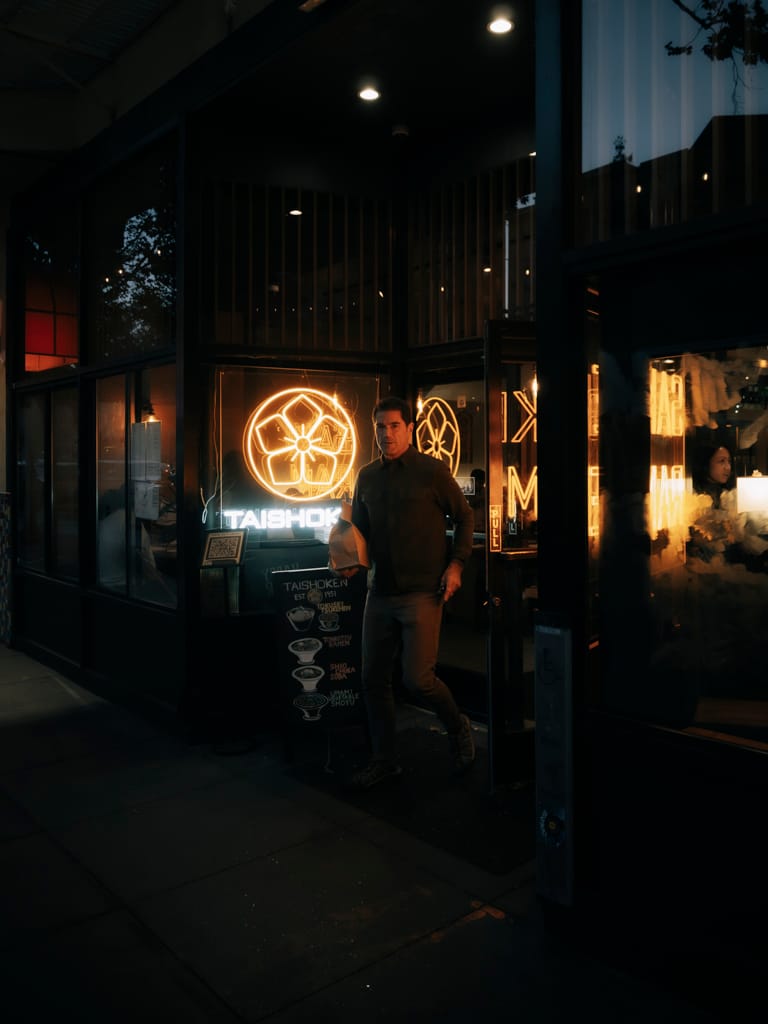

Here are some more night time shots with noise reduction applied on the EPL-5 (all shot at ISO 1600)